まず、手を見つける。Find the hand first.
手指災害が起きた後だけでなく、作業の中で手がどこに入り、何をしているかを見ます。危険源と手の機能を特定し、工学的な方法で接触を減らします。Look at where the hand goes and what it does during the task—not only after an injury. Identify the hazard and hand function, then engineer a method that reduces contact.
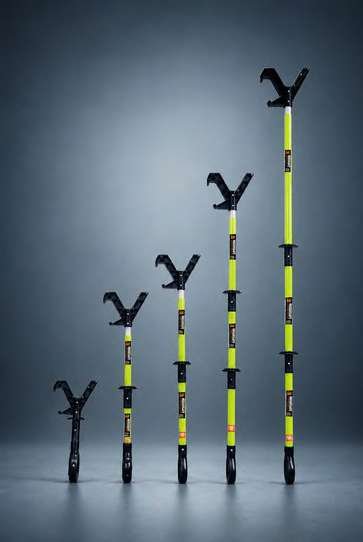
手の位置だけでなく、手の機能を見るLook beyond hand position to hand function
手は保持、位置合わせ、誘導、回収、支持、清掃などの機能を果たします。どの機能が危険源への接近を生むのかを特定することが改善の始点です。Hands hold, align, guide, retrieve, support and clean. Identifying which function brings a hand near a hazard is the starting point for change.
手の曝露を特定Find the exposure
実際の工程を観察し、手がどこで何をしているか、荷や設備がどう動くかを記録します。Observe the actual task and record hand function, contact point and movement of the load or equipment.
手の機能を定義Find the function
手が担っている作業機能と、危険源の種類・力・予測可能な動きを照合します。Match the hand’s task function to the hazard, force and foreseeable movement.
危険から手を遠ざけるEngineer the hand out
工程、治具、ガード、接触インターフェース、遠隔操作などを検討し、対策後の残留リスクを再確認します。Review process, fixtures, guards, contact interfaces and remote operation, then reassess residual risk.
日本の現場用語とつなぐUse familiar Japanese safety language
危険予知活動(KY活動)、リスクアセスメント、はさまれ・巻き込まれ、玉掛け作業、介錯ロープ、指差呼称、ヒヤリ・ハットを、現場で実際に行う動作と結び付けます。Connect KY activities, risk assessment, pinch/entanglement hazards, rigging, taglines, point-and-call checks and near misses to the task’s actual movements.
用語集を見る →View glossary →安全工具の位置づけThe role of a safety tool
工具は作業方法を改善する一つのインターフェースです。吊り荷の支持、設備隔離、ガード、立入管理、合図や作業手順の代わりではありません。A tool is one interface for improving a method. It does not replace load support, equipment isolation, guarding, exclusion controls, signals or work procedures.
製品と仕様を確認 →Review tools and specifications →現場評価の進め方A practical review sequence
- 作業前後を含む実際の手順を確認する。
- 手の位置・機能、荷の動き、接触点、エネルギーを記録する。
- 作業変更、治具、ガード、遠隔の接触方法を優先して検討する。
- 改善案を現場で試し、停止基準と残留リスクを確認する。
- 作業標準とKY活動へ反映し、変化後に再評価する。
- Review the real sequence, including before and after the task.
- Record hand function, load movement, contact points and energy.
- Prioritise process changes, fixtures, guards and remote interfaces.
- Trial the proposal; define stop criteria and residual risks.
- Update work standards and KY activities, then reassess after changes.