1. 作業を段階に分けて見る
準備、移動、位置合わせ、着地、仮固定、回収に作業を分けます。各段階で、手の位置と役割、荷や設備が動く方向、手が接触する瞬間を記録します。通常運転だけでなく、段取り替え、異常復旧、清掃、保全も確認してください。
作業者、合図者、クレーン運転者、監督者から手順の違いを聞き取り、実際の荷姿と設備配置で確認します。手指が危険源に近づく頻度だけでなく、一回の接触が起きた時の力と、逃げられる余地も考慮します。
2. 接触を減らす方法を設計する
Find The Hand™では、作業の各段階で手の位置・役割・対象物の動きを見ます。その後、機能、危険源、身体位置、変化条件を照合し、工学的に接触を減らす方法を探します。KYシートには工具名だけでなく、どの接触をどう変えるかを記録します。
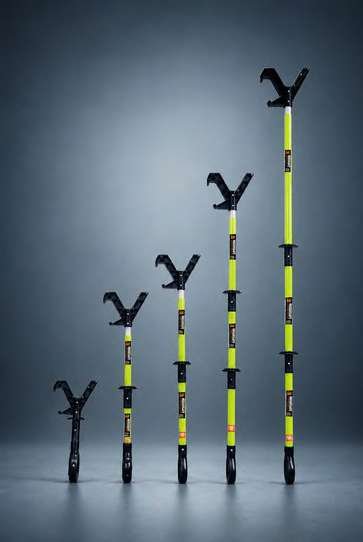
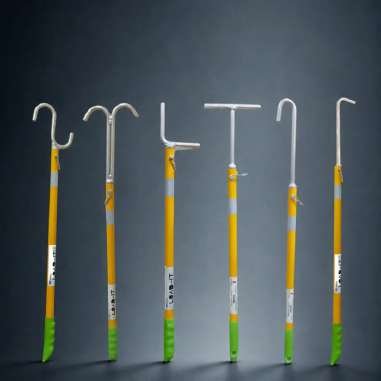
改善案は「手を入れないで同じ機能を果たすには何を変えるか」で評価します。専用工具を選ぶ場合は接触部、長さ、操作方向、工具の取外し順序まで決め、実物または模擬荷で試します。
3. 作業計画とKY活動に落とし込む
作業標準には、停止条件、合図者、立入禁止範囲、手を置かない場所、荷の支持確認、異常時の復旧方法を記載します。工具の導入だけを改善完了とせず、作業者が同じ手順を再現できるかを確認します。
現場チェック
- 作業を段階に分けたか。手の機能と対象物を記録したか。異常・復旧時も検討したか。対策後の残留リスクを班で再確認したか。
- 手の機能と接触点を作業写真または手順図に記録したか。
- 工具が適合しない時の代替手段と中止基準は決まっているか。
- 対策後に残る危険源と必要な保護具を再評価したか。
1. Break down the task
Divide the sequence into preparation, movement, alignment, landing, temporary restraint and retrieval. At each stage, record hand position and function, direction of movement and the moment of contact. Include changeovers, recovery, cleaning and maintenance—not only normal production.
Ask the worker, signal person, crane operator and supervisor how the task is actually performed. Check the real load geometry and equipment layout. Consider not only how often a hand approaches the hazard, but the force involved if contact occurs and whether the worker can escape.
2. Design a lower-contact method
Find The Hand™ observes hand position, function and object movement at each task stage. Then compare function, hazard, body position and changing conditions to identify an engineered way to reduce contact. Record what contact changes, not only the tool name.
Evaluate each proposal by asking what must change so the same function can be performed without hand entry. If a dedicated tool is selected, define its interface, reach, direction of operation and removal sequence, then trial it on the actual or a representative load.
3. Put the method into planning and KY
The work standard should state stop conditions, signal authority, exclusion area, hand-free zones, load-support checks and recovery steps. Do not treat tool introduction as completion; confirm that workers can repeat the method consistently.
Field checklist
- Was the task divided into stages? Were hand function and moving object recorded? Were abnormal and recovery steps reviewed? Did the crew reassess residual risk after the change?
- Are hand function and contact point captured in a task photo or diagram?
- Are an alternative method and stop criteria defined if the tool is unsuitable?
- Have residual hazards and required PPE been reassessed?