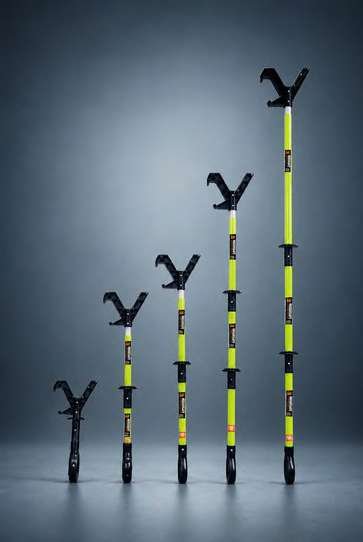
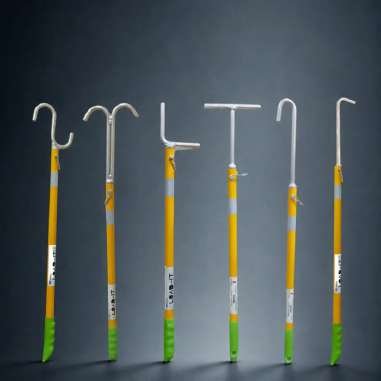
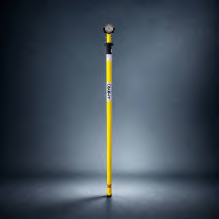
1. 作業を段階に分けて見る
準備、移動、位置合わせ、着地、仮固定、回収に作業を分けます。各段階で、手の位置と役割、荷や設備が動く方向、手が接触する瞬間を記録します。通常運転だけでなく、段取り替え、異常復旧、清掃、保全も確認してください。
作業者、合図者、クレーン運転者、監督者から手順の違いを聞き取り、実際の荷姿と設備配置で確認します。手指が危険源に近づく頻度だけでなく、一回の接触が起きた時の力と、逃げられる余地も考慮します。
2. 接触を減らす方法を設計する
吊上げが完了するまで手で部品を支えないように、仮受けと支持具を設計します。横移動、回転、着地を分け、ジャッキや位置決め治具が安全に使える条件を整えます。プッシュ/プル工具は設計された接触点でのみ使用します。
改善案は「手を入れないで同じ機能を果たすには何を変えるか」で評価します。専用工具を選ぶ場合は接触部、長さ、操作方向、工具の取外し順序まで決め、実物または模擬荷で試します。
3. 作業計画とKY活動に落とし込む
作業標準には、停止条件、合図者、立入禁止範囲、手を置かない場所、荷の支持確認、異常時の復旧方法を記載します。工具の導入だけを改善完了とせず、作業者が同じ手順を再現できるかを確認します。
現場チェック
- 吊具を外す前に支持が確立しているか。キー・ボルト穴に指を入れていないか。位置決め工具に横荷重をかけていないか。
- 手の機能と接触点を作業写真または手順図に記録したか。
- 工具が適合しない時の代替手段と中止基準は決まっているか。
- 対策後に残る危険源と必要な保護具を再評価したか。
1. Break down the task
Divide the sequence into preparation, movement, alignment, landing, temporary restraint and retrieval. At each stage, record hand position and function, direction of movement and the moment of contact. Include changeovers, recovery, cleaning and maintenance—not only normal production.
Ask the worker, signal person, crane operator and supervisor how the task is actually performed. Check the real load geometry and equipment layout. Consider not only how often a hand approaches the hazard, but the force involved if contact occurs and whether the worker can escape.
2. Design a lower-contact method
Design staging and supports so hands do not hold a component while it remains suspended. Separate lateral movement, rotation and landing; make sure jacks or alignment fixtures are suitable. Use push/pull tools only at intended contact points.
Evaluate each proposal by asking what must change so the same function can be performed without hand entry. If a dedicated tool is selected, define its interface, reach, direction of operation and removal sequence, then trial it on the actual or a representative load.
3. Put the method into planning and KY
The work standard should state stop conditions, signal authority, exclusion area, hand-free zones, load-support checks and recovery steps. Do not treat tool introduction as completion; confirm that workers can repeat the method consistently.
Field checklist
- Is support established before unhooking? Are fingers kept out of keyways and bolt holes? Is the positioning tool free from unintended side loading?
- Are hand function and contact point captured in a task photo or diagram?
- Are an alternative method and stop criteria defined if the tool is unsuitable?
- Have residual hazards and required PPE been reassessed?